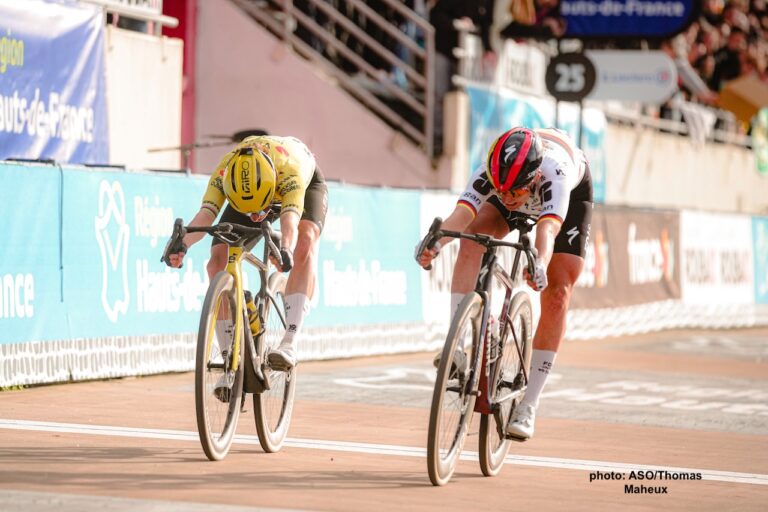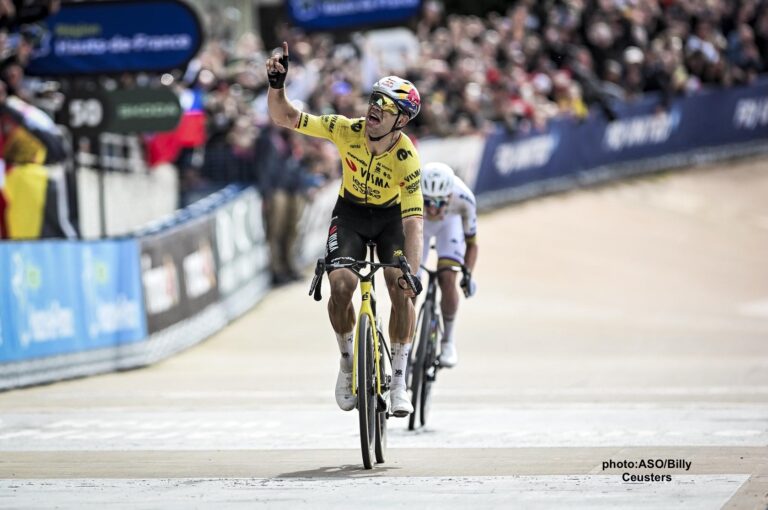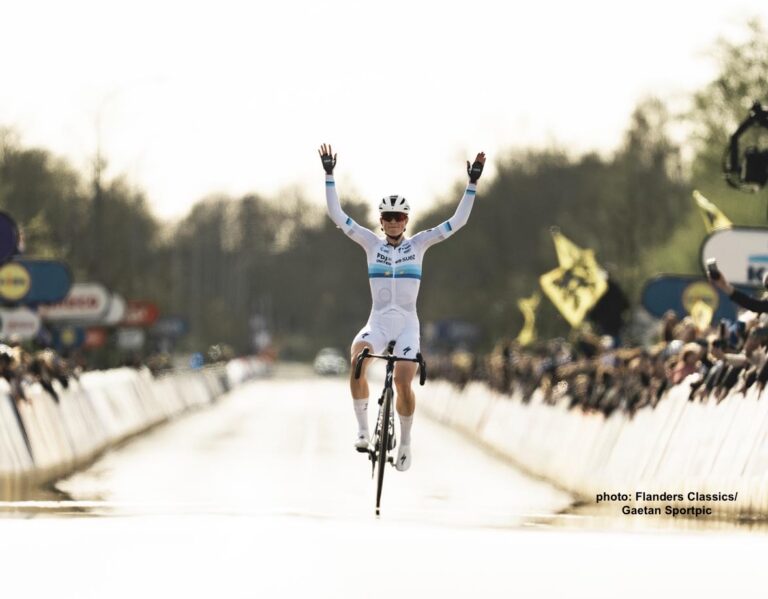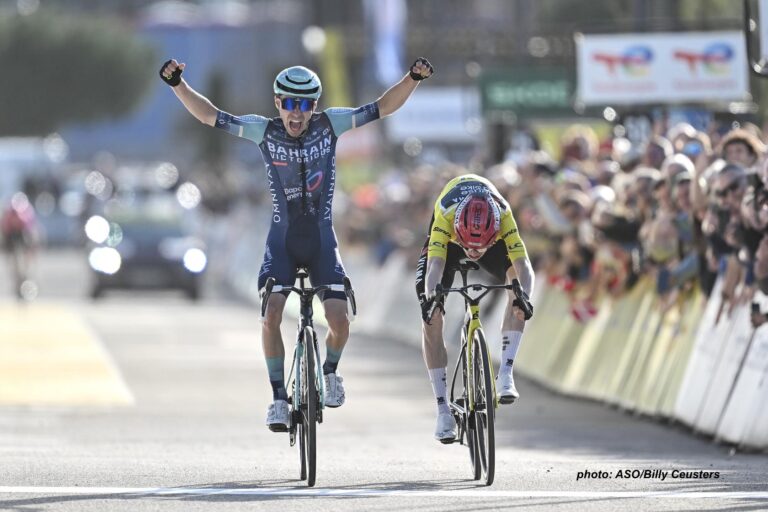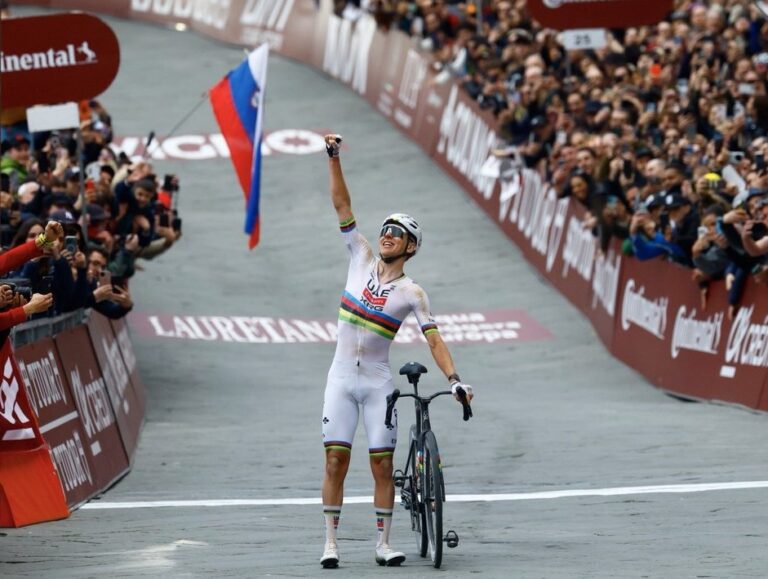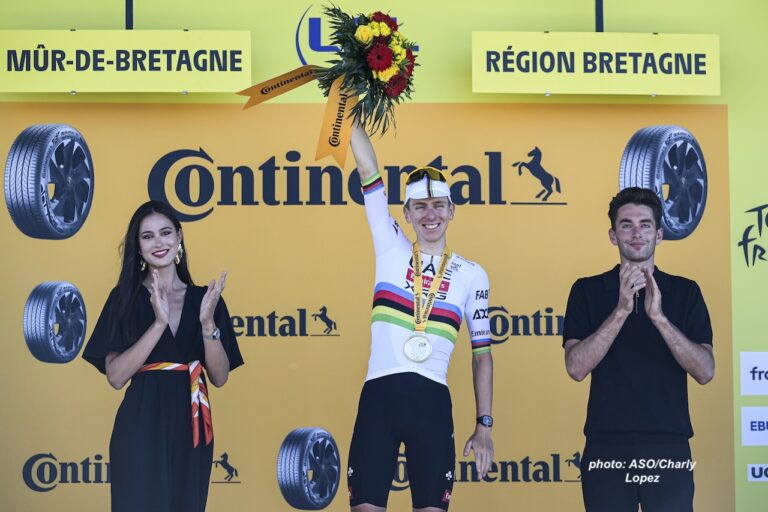
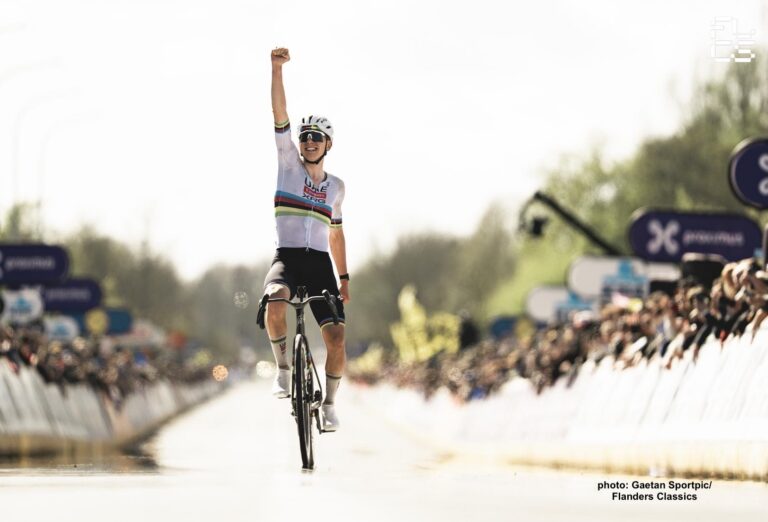
Tadej Pogačar’s victory at the 2026 Tour of Flanders was not just a win; it was a tactical masterclass that redefined how this Monument is raced. By securing his third title, he joined an elite club of record-holders including Tom Boonen and Fabian Cancellara, but did so with a style that was uniquely his own.
The Level Crossing Controversy
The race began with a cloud of uncertainty. Early in the 278km trek, a massive group of riders—including Pogačar, Remco Evenepoel, and Mathieu van der Poel—crossed a railway level crossing while the lights were flashing red. While the race jury allowed the event to continue without disqualifications to avoid “ruining” the spectacle, the incident looms over the result. Flemish prosecutors have since opened an investigation, meaning Pogačar’s historic win currently carries the weight of a potential post-race legal fine or suspension, though his placement on the podium remains secure.
UAE Team Emirates: Tactical Dominance
Unlike previous years where Pogačar often had to fend for himself against the “Big Three,” UAE Team Emirates-XRG controlled the 2026 edition from the front. They burned through their domestiques early to ensure the pace remained high, preventing any “long-range” satellite moves from teams like Visma-Lease a Bike. By the time the peloton hit the second ascent of the Oude Kwaremont, the field had already been tenderized by a relentless 45km/h average speed.
The Triple-Threat Selection
The race truly ignited with 55km to go. Pogačar’s acceleration on the Oude Kwaremont was calculated. He didn’t sprint out of the saddle; he simply increased his cadence while seated, a move that produces immense torque on the cobbles. This shattered the group, leaving only his two greatest rivals:
- Mathieu van der Poel: The defending champion looked comfortable for the first 30km of the breakaway, matching Pogačar pedal stroke for pedal stroke.
- Remco Evenepoel: Making his Flanders debut, Evenepoel showed incredible grit. While he lacked the “snap” of the other two on the steep bergs, his time-trialing engine allowed him to claw back every time a gap opened on the flat sectors.
The climax arrived on the third and final ascent of the Oude Kwaremont. Knowing Van der Poel’s history of late-race fading in high-intensity classics, Pogačar launched a “threshold-plus” attack. Data suggests he averaged over 7.4 watts per kilogram for the duration of the climb. Van der Poel later admitted he was pushing 650 watts just to stay in the slipstream before finally snapping.
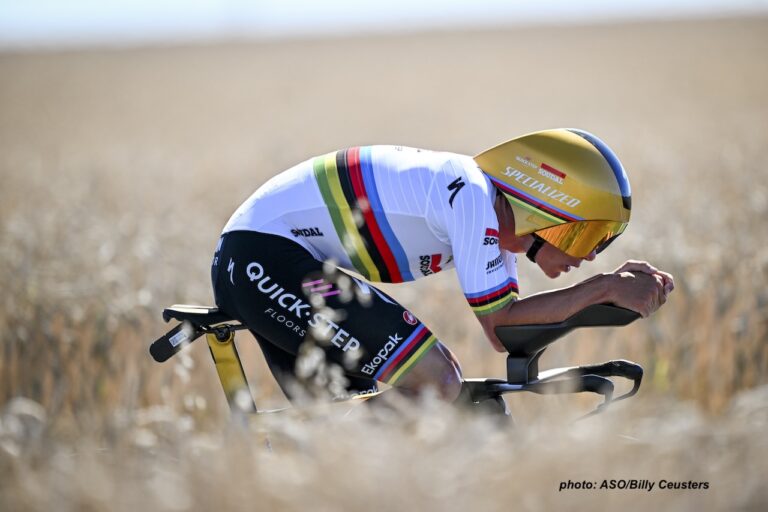
By the time Pogačar crested the Paterberg—the final climb of the day—he had a 15-second lead. In the 13km flat run-in to Oudenaarde, he displayed his improved aerodynamic tuck, gaining another 19 seconds on a world-class chaser like Van der Poel. It was a clear statement of physical superiority.
Implications for Paris-Roubaix
This victory places Pogačar halfway to a “Calendar Monument Slam.” Having already won Milan-San Remo in March, he is now 2-for-2 in the 2026 Monuments. All eyes now turn to Paris-Roubaix this coming Sunday. Pogačar has never won the “Hell of the North,” but his performance on the Flemish cobbles suggests he has adapted his weight and power profile to handle the flatter, more brutal sectors of Northern France.
Results
Results powered by FirstCycling.com