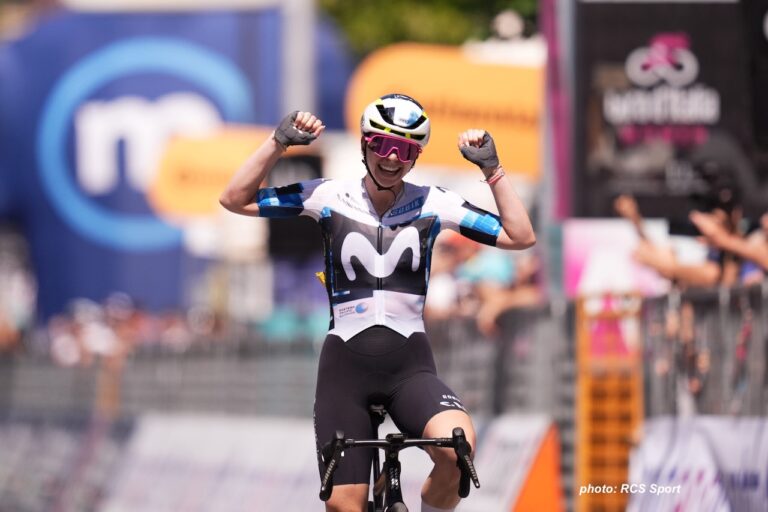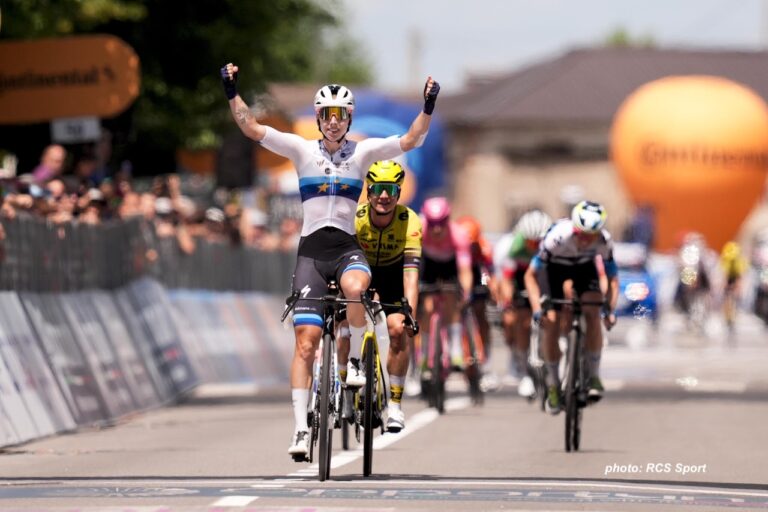
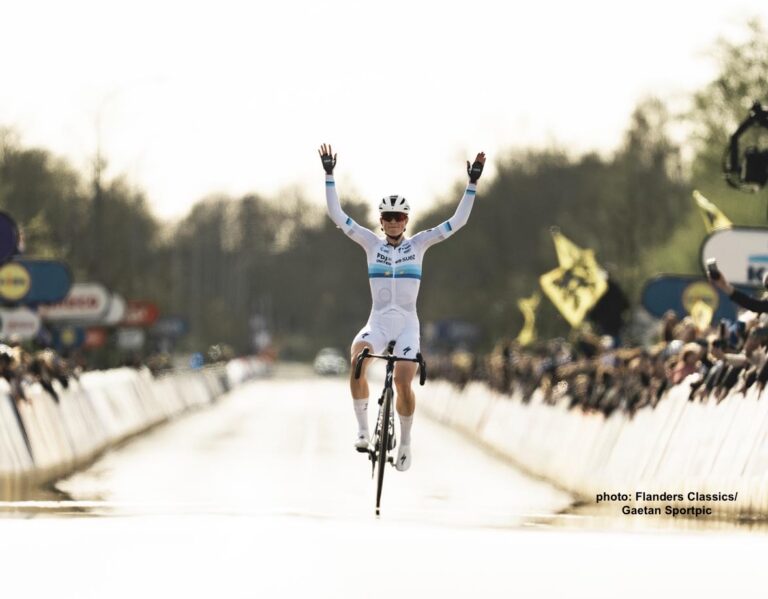
Demi Vollering’s victory at the 2026 Women’s Tour of Flanders was defined by a tactical masterclass and a display of overwhelming physical superiority. The race began with an unusually aggressive opening phase where crosswinds on the exposed roads leading to the first cobbled sectors caused early splits in the peloton.
FDJ United-SUEZ took immediate control, placing riders at the front to shield Vollering from the wind and ensure she remained out of trouble during several early crashes that delayed key rivals. As the race hit the hilly heart of the Flemish Ardennes, the pressure from the peloton intensified, yet Vollering remained tucked away, allowing her teammates to neutralize a series of dangerous long-range attacks.
The race reached its boiling point on the Koppenberg, where the steep, slick cobbles forced many riders to their limits. Vollering looked remarkably comfortable, cresting the climb in the first three positions and establishing an elite lead group of roughly a dozen riders. Sensing hesitation among her competitors as they approached the final run of hills, Vollering’s team kept the pace high to prevent any attackers from slipping away.
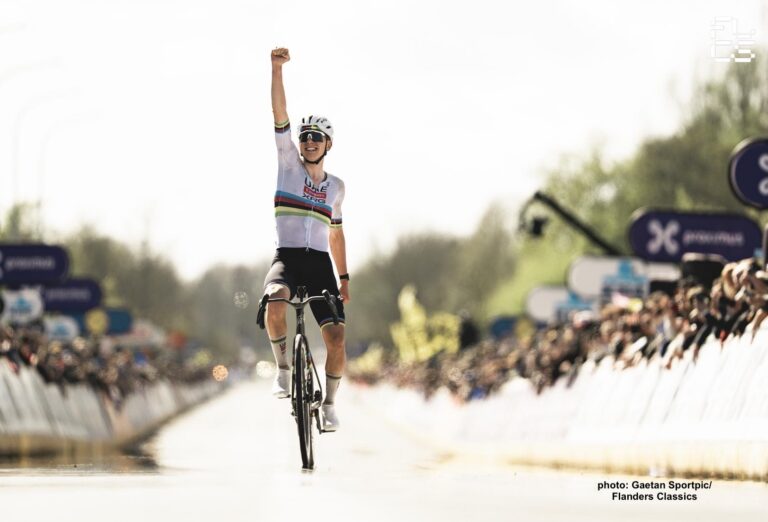
On the lower slopes of the Oude Kwaremont, Vollering launched her winning move. It was not a sudden explosive jump but a relentless, high-torque acceleration on the steepest section of the stones. Lotte Kopecky attempted to follow but was quickly distanced as Vollering’s gap grew to ten, then twenty seconds by the top of the climb.
Vollering’s solo effort over the final 18 kilometers was a display of pure grit. Even on the brutal gradients of the Paterberg, she maintained a steady cadence, never looking back as she built a lead that the disorganized chase group behind could not bridge.
In her post-race comments, Vollering revealed that her strategy was built on the mental preparation of the “perfect moment” to strike, specifically targeting the Oude Kwaremont as the place where she could break the will of the other favorites. She credited her move to a sense of internal “flow” and a deep trust in her teammates, who she claimed made the win possible by sacrificing their own chances earlier in the day.
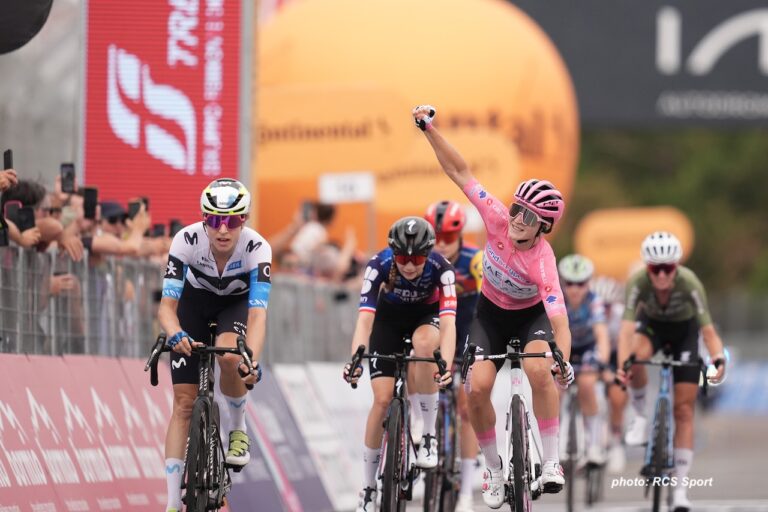
The battle for the remaining podium spots saw Pauline Ferrand-Prévot and Puck Pieterse break away from the remnants of the chase group. Ferrand-Prévot admitted after the race that while she had the legs to follow most moves, Vollering was in a different league on the climbs.
Pieterse, despite a strong sprint, found herself leading out the final 500 meters and was narrowly pipped by Ferrand-Prévot for second. Lotte Kopecky, finishing fourth, acknowledged that she simply didn’t have the response when Vollering accelerated, marking a significant shift in the rivalry between the sport’s top classics specialists.
Results powered by FirstCycling.com