Overview
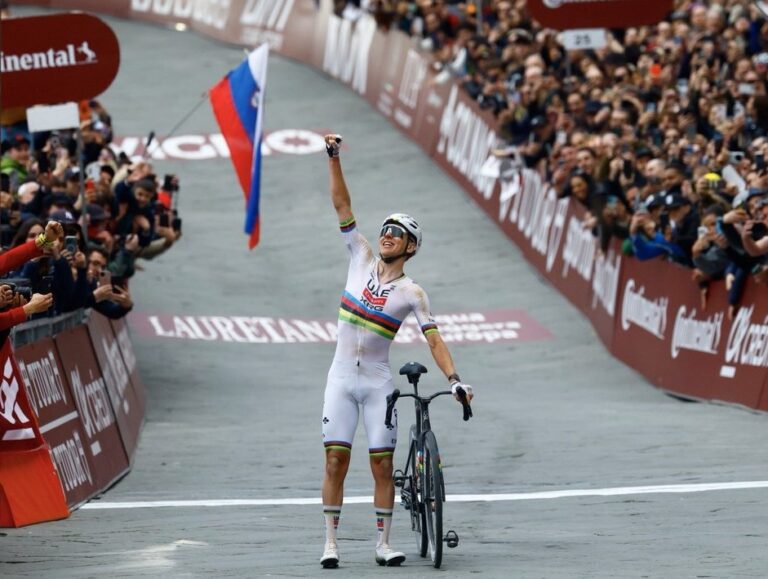
The 2026 edition of Milan–Sanremo unfolded over a classic 298 km from Milan to the Ligurian coast, delivering a dramatic test of endurance, tactics, and climbing prowess. Slovenian superstar Tadej Pogačar triumphed after a decisive move on the Poggio, taking his first Milan–Sanremo victory in a solo finish.
He crossed the line ahead of Wout van Aert and Remco Evenepoel, capping a perfectly executed performance by UAE Team ADQ.
Early Race: The Breakaway
As usual in Milano–Sanremo, the first 200 km were dominated by breakaway action along the flat plains of Lombardy and Piedmont.
A group of 10–12 riders escaped early, including opportunists from smaller ProTeams, building a maximum advantage of 6 minutes. The peloton, led by Tadej Pogačar’s team and Jumbo–Visma, maintained a steady tempo, ensuring the gap never became unmanageable.
The breakaway was gradually reduced as the riders approached the first critical climbs, the Cipressa and Poggio.
Cipressa: Early Attacks and Selection
The race began to heat up on the Cipressa (5.6 km at 4%):
- Wout van Aert launched a probing attack, testing the legs of GC favourites.
- Remco Evenepoel responded immediately, keeping the pace high.
- Tadej Pogačar stayed tucked in the group, carefully monitoring his rivals while conserving energy.
The attack fragmented the peloton, leaving only the strongest riders in contention. Minor crashes and mechanicals further reduced the leading group, but all key favourites remained near the front.
Poggio: The Decisive Move
As expected, the Poggio di Sanremo (3.7 km at ~3.7%) proved race-defining.
- With about 4 km to the summit, Tadej Pogačar launched a blistering attack, immediately distancing the other favourites.
- Wout van Aert and Remco Evenepoel attempted to follow, but the pace was too intense, and the slope favored Pogačar’s explosive climbing.
- Julian Alaphilippe and Jonas Vingegaard tried to organize a chase but were unable to close the gap.
At the summit, Pogačar had already opened a 15-second lead, which he extended on the technical descent toward Sanremo.
Final Kilometres: Solo to Victory
The Slovenian superstar maintained a powerful rhythm on the flat run-in along the Lungomare and into Via Roma. Despite desperate chasing from van Aert and Evenepoel, the gap remained around 20–25 seconds, never enough to threaten the solo leader.
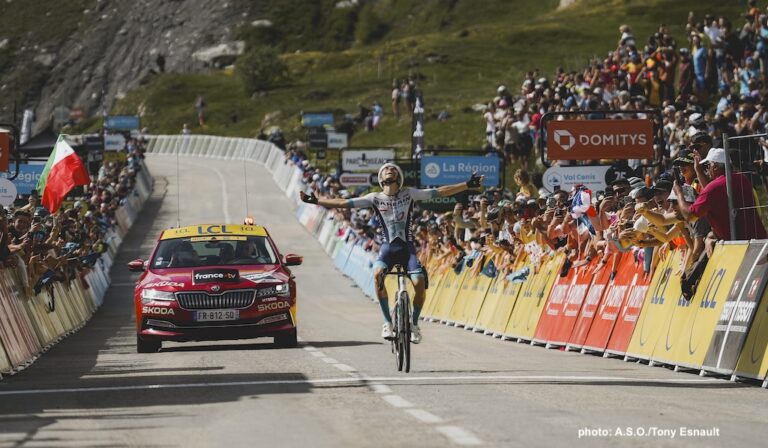
Pogačar crossed the line in 6h 45’32”, solo, to claim his first Milan–Sanremo title and add a Monument victory to his palmarès.
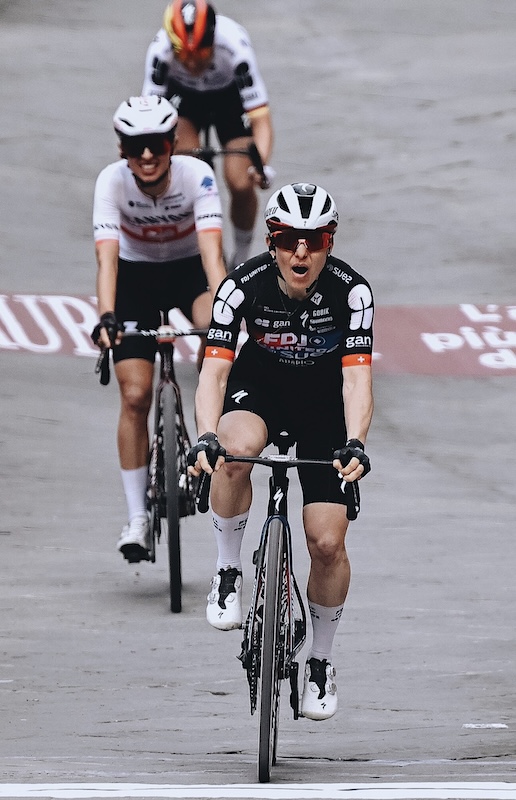
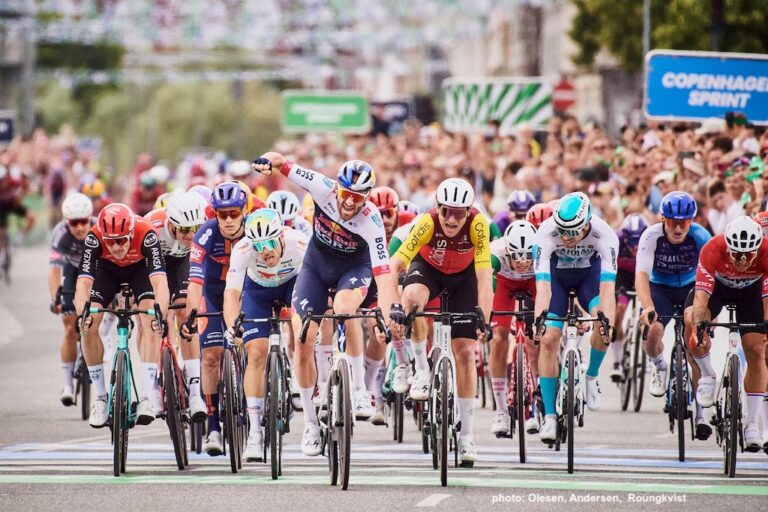
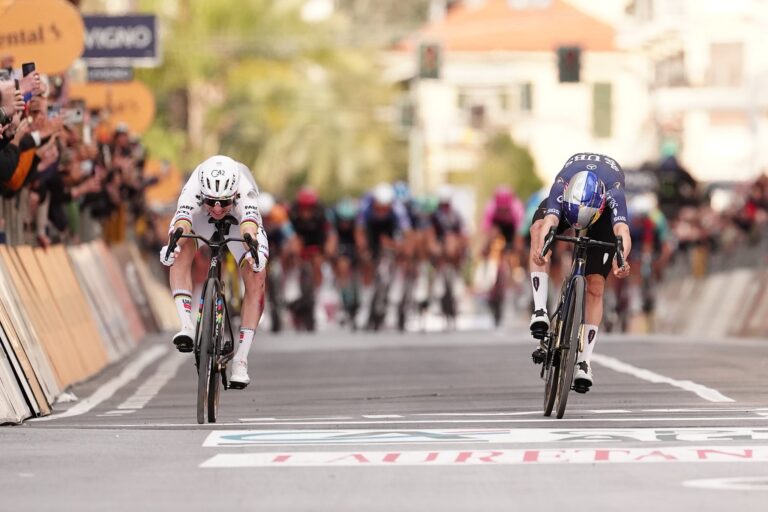
Van Aert won the sprint for second, with Evenepoel taking third.
Tactical Analysis
UAE Team ADQ Execution
UAE Team ADQ executed a perfect team strategy:
- Pogačar was protected all day, sheltered from the wind and kept fresh for the Poggio.
- Teammates controlled the peloton, neutralizing dangerous attacks from van Aert, Evenepoel, and other classics specialists.
Poggio Mastery
The Poggio remains decisive in Milan–Sanremo. Pogačar’s timing was flawless: attacking too early could have left him exposed; too late, and rivals could respond.
Importance of Descending Skills
Pogačar extended his lead on the descent, demonstrating that modern classics success requires both climbing and descending excellence.
Conclusion
The 2026 Milan–Sanremo showcased a mix of attrition, tactical awareness, and raw power, culminating in a spectacular solo finish by Tadej Pogačar.
By attacking on the Poggio and holding off the chasing favourites, Pogačar confirmed his status as one of the most complete riders of his generation and added a Monument to an already stellar career.
Results
Results powered by FirstCycling.com